










Hazard-resistant building codes establish minimum standards for how buildings are designed and constructed to withstand natural hazards such as earthquakes, flooding, high winds, and wildfires.
For commercial property owners, these codes help reduce damage, improve life safety, shorten recovery times, and lower long-term financial risk.
Why Hazard-Resistant Building Codes Matter
Modern hazard-resistant building codes are one of the most effective ways to reduce disaster-related losses. Research from the Federal Emergency Management Agency (FEMA) has shown that communities using updated codes can avoid billions in damage compared with jurisdictions using outdated or weaker standards.
Stronger codes also support faster recovery after disasters by reducing severe damage, helping businesses reopen sooner, and lowering long-term financial disruption.
FEMA Building Code Adoption Tracking (BCAT)
FEMA uses a national tracking system called BCAT (Building Code Adoption Tracking) to monitor which jurisdictions have adopted newer building codes that include stronger protections against natural hazards.
As of Q4 2025, FEMA reported:
- 21% of hazard-exposed jurisdictions were using current code standards
- 39% of the U.S. population—about 129 million people—lived in those jurisdictions
The takeaway is simple: many communities have made progress, but many still operate under older code versions.
Hazard-Resistant Building Codes Continue to Change
Building standards are updated on a regular cycle as engineers learn from real disasters, field performance, and new research.
Many jurisdictions base their rules on editions of the International Building Code (IBC) and related model codes. However, adoption timing varies widely, which means similar buildings in different cities may face very different requirements.
Are Modern Hazard-Resistant Building Codes Used Everywhere?
No. Code adoption happens locally, so standards can differ from one jurisdiction to another.
Some cities move quickly to newer code editions. Others update more slowly or make local changes. Just as important as the written code is how consistently it is reviewed, inspected, and enforced during construction.
Earthquake Codes vs. Other Hazard Codes
Different hazards require different design strategies.
Earthquake Provisions Focus On:
- Ground shaking
- Structural movement
- Ductility and energy dissipation
- Connections between building components
- Preventing collapse and protecting life safety
Wind and Hurricane Provisions Focus On:
- Extreme wind pressure
- Roof uplift resistance
- Impact from flying debris
- Water intrusion
- Flood and storm surge forces in coastal areas
Flood Provisions May Include:
- Elevation requirements
- Freeboard above base flood levels
- Flood-resistant materials
- Drainage and site considerations
Wildfire Provisions May Include:
- Fire-resistant materials
- Ember-resistant vents
- Defensible space requirements
- Vegetation management near structures
Earthquake Codes Prioritize Life Safety
Earthquake building codes are primarily intended to prevent buildings from collapsing during shaking so occupants can exit safely.
That is an essential objective—but it does not mean a building will remain fully operational after a major earthquake.
Meeting Code Doesn’t Guarantee Building Performance
Even buildings designed to current codes can sustain significant structural and non-structural damage.
A building may:
- Remain standing
- Require months of repairs
- Experience business interruption
- Lose tenants or revenue
For commercial owners, the biggest financial impact often comes from the gap between “didn’t collapse” and “back in operation.”
That is why functional recovery has become an increasingly important part of seismic planning. The conversation has shifted from “Will it stand?” to “Will it still be usable?”
What Owners of Older Buildings Should Know
Even if your building met code when it was built, that does not mean it meets today’s standards. Many commercial and industrial properties were constructed before modern hazard-resistant building codes were adopted in 1997.
That does not automatically mean the building is unsafe. It does mean an evaluation may be wise—especially if you are planning a sale, refinance, renovation, tenant improvements, or long-term hold strategy.
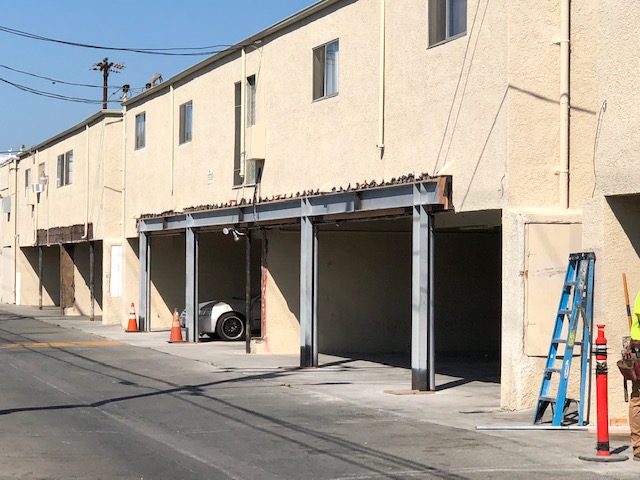
In some jurisdictions, vulnerable older buildings such as unreinforced masonry structures (URM) may also be subject to retrofit ordinances or upgrade triggers tied to major improvements or changes in use.
Smart Due Diligence Checklist
If you own or manage commercial property:
- Confirm which code edition your local jurisdiction uses
- Review the year your building was constructed
- Understand regional hazards such as earthquake, flood, wind, or wildfire exposure
- Schedule periodic building assessments
- Budget for future upgrades before they become urgent
- Evaluate structural risks during acquisitions or portfolio reviews
Why This Matters in the Western U.S.
For owners in California, Washington, Oregon, Nevada, and Utah, seismic risk is often the dominant planning consideration—and one of the most underestimated.
Many jurisdictions across the West are increasing their focus on vulnerable building stock through retrofit programs, ordinance updates, and stricter risk awareness.
Early evaluation and proactive budgeting are almost always less disruptive and less expensive than responding to a mandatory upgrade notice or recovering from earthquake damage after an event.
Need Help Evaluating Your Building’s Risk?
Knowing which building code applies is only part of the picture. Understanding how your specific building is likely to perform is what helps owners make informed decisions about risk, maintenance, and future investments.
Saunders Seismic has helped commercial and industrial property owners evaluate structural and seismic risk across the western United States since 1979.
Whether you’re purchasing a building, planning renovations, or evaluating long-term capital improvements, we’re here to help.
Call us today for a free, no-pressure conversation.