











As part of the Earthquake Country Alliance’s Northridge Earthquake Anniversary Webinar Series, Episode 4 — “The Northridge Earthquake: 30 Years Later – A Catalyst for Engineering Resilient Communities” — brought together experts to discuss how the 1994 Northridge earthquake led to major advancements in earthquake preparedness and response.
Organized by leading engineering and earthquake research organizations, the session explored how the Northridge earthquake helped drive the development of real-time monitoring tools and loss estimation methods that are now widely used in earthquake response efforts worldwide.

The 1994 Northridge Earthquake’s Legacy
The Northridge earthquake was a turning point for everyone involved in earthquake science and safety. At the time, tools for monitoring earthquakes and estimating damage were somewhat basic. However, the widespread damage from Northridge showed just how important it was to develop better systems.
In response, both government and private organizations invested in new technologies and methods, setting the stage for today’s advanced tools.
_________________________________________________
“The Northridge earthquake was a wake-up call, showing us the critical need for better tools and technologies in earthquake response. Today, the advancements we’ve made allow us to quickly assess and respond to seismic events worldwide, making our communities safer and more resilient.”
– David Wald, USGS Research Geophysicist
_________________________________________________
The Importance of Real-Time Loss Estimation
Since the Northridge earthquake, the ability to estimate damage in real time has improved significantly. In the webinar, Ron T. Eguchi, CEO and Co-Founder of ImageCat, Inc., and David Wald, a Research Geophysicist at USGS, explained how new technologies like real-time earthquake monitoring, GIS (Geographic Information Systems), and loss estimation modeling have transformed earthquake response.
Other tools discussed include:
- ShakeMap: Instantly provides detailed maps showing where the earthquake shaking was strongest, helping emergency responders target the most affected areas swiftly.
- Did You Feel It?: Collects real-time reports from people who experienced the earthquake, crowd-sourcing data to enhance the understanding of the earthquake’s impact.
- PAGER (Prompt Assessment of Global Earthquakes for Response): Estimates potential economic damage and casualties, guiding authorities on how to allocate resources and respond effectively.
These innovations, inspired by the lessons learned from the Northridge earthquake, are now critical for coordinating disaster response and recovery efforts.
The Future of Earthquake Resilience
Looking ahead, continued technological advances will shape the future of earthquake preparedness. The webinar highlighted how artificial intelligence (AI) and machine learning can improve our loss estimation models.
Additionally, using smart sensors and remote sensing technologies will enhance our ability to monitor and respond to earthquakes, making communities worldwide more resilient.
About the Presenters
• Ron T. Eguchi is the CEO and Co-Founder of ImageCat, Inc., a risk management company specializing in advanced risk assessment and reduction technologies. With over 300 publications, Eguchi is a recognized leader in the field of seismic risk, particularly for utility lifeline systems.
• David Wald is a Research Geophysicist at the USGS in Golden, Colorado, where he leads the development of real-time information systems, including ShakeMap, Did You Feel It?, and PAGER. Wald is a distinguished lecturer and award recipient known for his contributions to earthquake science and public communication.
Building a More Resilient Future
The Northridge earthquake helped reshape the way engineers, researchers, and emergency response teams prepare for seismic events. As discussed throughout the webinar, many of today’s real-time monitoring tools and loss estimation methods were developed in response to lessons learned from that earthquake.
While no building can be made completely earthquake-proof, proactive planning and seismic improvements can help reduce potential damage, protect occupants, and support faster recovery after a major event.
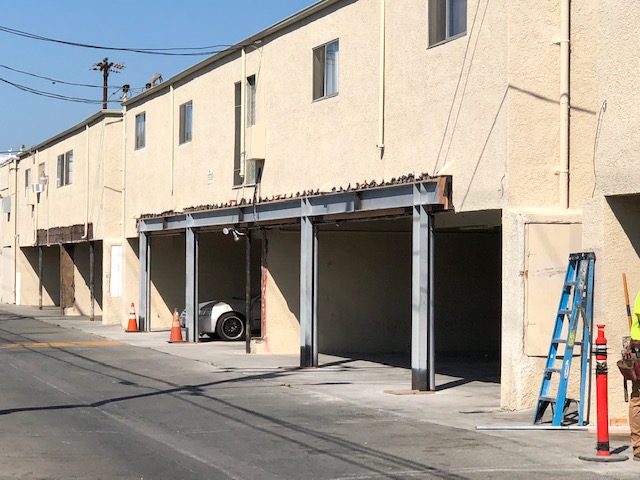
At Saunders Seismic, we specialize in commercial and industrial seismic retrofits for occupied buildings throughout the Western U.S. With decades of hands-on retrofit experience, we help property owners better understand their building vulnerabilities, evaluate retrofit options, and plan projects with minimal disruption to tenants and operations.
If you are considering seismic improvements for your property or simply want a clearer understanding of your building’s potential risks, contact Saunders Seismic to schedule a consultation or learn more about our retrofit services.