












Probable maximum loss (PML), now known as SEL and SUL, is an important metric if you live or work in an earthquake zone. It’s a number that matters to insurance companies because it reflects the amount of damage a building might suffer from an earthquake. Here are reasons why a seismic retrofit to a commercial structure can help make earthquake insurance more affordable.
Assessing Your Building’s Safety
Regardless of your company’s insurance policy, you can never lose sight of the fact that safety comes before costs when you are responsible for other lives. By getting a seismic retrofit, you can make your building safer for all occupants and lower insurance costs. In fact, you can see a return on investment from your retrofit project within six years. This strategy will lower the building’s PML, which insurers will recognize.
The buildings that require the most attention are those built in the twentieth century without as much concern about safety or adherence to structural codes. Sometimes, it takes adding roof-to-wall connections for stronger support. Other strengthening systems added to retrofit a building include applying materials such as tube steel, gunite, and column fiber wrapping.
Why a Seismic Retrofit Helps
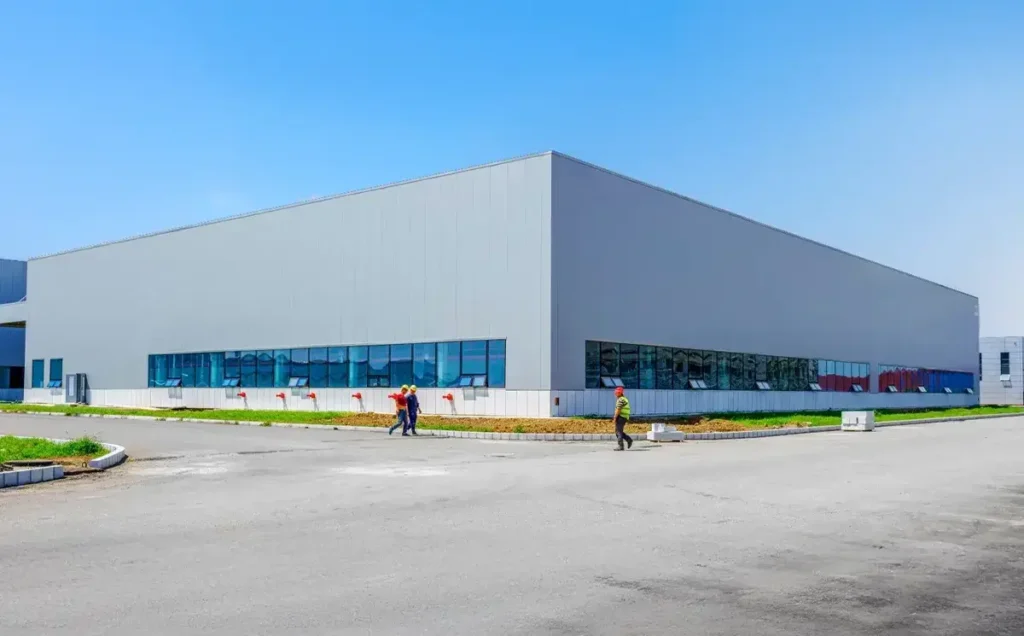
Getting a seismic retrofit means increasing the value of your building. Saunders Construction has plenty of experience renovating and rehabilitating a wide variety of structures. An old building can get a complete seismic retrofit, and at the same time, a full renovation, which includes new mechanical and plumbing equipment, could take place. Adding fire sprinklers, skylights, windows, and other building improvements can help prepare a big warehouse for a natural disaster.
Specialists will help you every step of the way, from conceptualizing your retrofit to actual construction. Our experienced contractors will assess your property and point out what needs repairs or enhancements. Our team has worked on concrete structures, non-ductile concrete, soft-story buildings, historical buildings, multi-family apartments, and parking garages. The company has been in business for nearly four decades and has installed thousands of retrofits.
The key to seismic retrofitting is that once completed, the building will be more resistant to seismic activity during earthquakes. Not only will this make employees feel more secure, but it will also reduce the risks of lawsuits, injuries, and property damage.
Future Insurance Considerations
The future of earthquake insurance is uncertain, although overall costs will likely increase over the next decade. There may come a time when only buildings with low PML are even considered for earthquake insurance. Furthermore, lower PML values will attract more lenders to your business or buyers of your building. Contact Saunders Seismic to learn more about protecting your home as much as possible from earthquake damage.