
What to Expect During a Structural Inspection
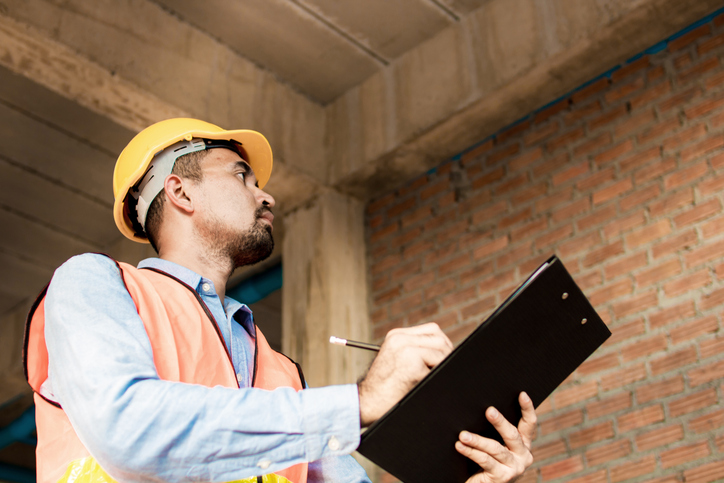
A structural inspection is often the first step in understanding what’s really going on with your building—especially if you’re located in an earthquake-prone area.
You may be planning a purchase. You may have noticed cracking or movement. Or you may simply want clarity before making bigger decisions. A structural inspection helps you understand risk, safety, and what—if anything—needs attention before you move forward.
If you haven’t been through the structural inspection process before, here’s what you can expect.
When a Structural Inspection Makes Sense
You’ll typically need a structural inspection if:
- Your structure was built before 1978
Structural codes changed significantly in 1977. As a result, buildings constructed before 1978 were often designed under earlier standards and may not reflect later seismic requirements. For this reason, lenders commonly request a assessment by a structural engineer when evaluating older buildings.
- A lender requires it
Structural inspections are often requested as part of financing, refinancing, or insurance reviews—especially for older commercial and industrial buildings.
- You own a commercial or industrial building and want to confirm it’s structurally sound
This is common when safety, liability, and long-term performance matter.
- You’re considering buying a building
A building structural inspection can help uncover structural or seismic concerns before you purchase—not after.
- You’ve noticed signs of damage or change
Cracks, uneven floors, water intrusion, or visible movement are all signs that a closer look may be needed.
In many cases, a structural inspection for commercial buildings is also the starting point for conversations about seismic risk, repairs, or future seismic retrofits.
What Happens During a Structural Inspection
A structural inspection is a visual, methodical review of key building components. The goal isn’t to design solutions—it’s to identify conditions that may affect safety or performance.
A structural inspection doesn’t tell you what to build—it helps you understand what’s happening in your building.
Interior and Exterior Review
During the inspection, both the inside and outside of your building are reviewed. The inspector looks for:
- Structural design limitations related to the building’s age, engineering, or construction
- Cracking or separation
- Distressed or deteriorated structural elements
- Signs of movement or shifting
- Conditions that can only be evaluated based on visible elements or available plans
Note: Some structural components—such as foundations and footings—may not be fully visible. When plans aren’t available, observations are based on what can reasonably be seen and standard assumptions for similar building types.
Patterns matter. What’s happening in one area of your building often relates to what’s happening elsewhere.
Foundation Review
Your foundation plays a critical role in how your building performs—especially during an earthquake. During a commercial structural inspection, the inspector looks for:
- Cracks or deterioration
- Signs of settlement or movement
- How the structure connects to the foundation
- Whether anchorage appears adequate
Foundation conditions often provide early clues about structural vulnerability.
Roof Observations
Roof systems vary widely depending on your building type and age. As part of the structural inspection process, the roof is reviewed for:
- Surface conditions
- Evidence of leaks or moisture intrusion
- Drainage or gutter issues
- Structural alignment concerns
A sagging or uneven roof can indicate movement elsewhere in the structure.
Framing and Structural Alignment
Visible framing is reviewed to identify:
- Roof-to-wall anchorage and continuity ties
- Signs of stress or displacement, including weak or damaged structural members
- Breaks or inconsistencies in how loads travel through the building down to the foundation
These observations help assess how your building may respond during seismic activity.
Crawl Spaces and Basements
Crawl spaces and basements—most commonly found in apartment buildings—are reviewed when accessible.
If accessible, crawl spaces and basements are checked for:
- Water intrusion or drainage issues
- Moisture-related deterioration
- Conditions that could weaken structural components over time
Water damage is a common contributor to long-term structural problems identified during a structural inspection.
What Structural Inspectors Are Looking For
Structural inspectors focus on observations, not design decisions. Common findings documented during a building structural inspection include:
- Cracking patterns
Vertical cracks, separation cracks, or cracking around doors and windows can indicate movement.
- Signs of settlement or displacement
Uneven floors, shifted columns, or separated elements.
- Structural connections
Areas where structural components may not be well tied together.
- Age- or moisture-related deterioration
Especially in older buildings or properties with drainage challenges.
Inspection findings identify risk. Engineering determines solutions.
Structural Inspectors vs. Structural Engineers: A Simple Distinction
It’s common to hear these roles mixed together, but they serve different purposes.
- Structural inspectors identify visible conditions and document areas of concern.
- Structural engineers analyze those conditions and design solutions when repairs or seismic retrofits are required.
If your structural inspection suggests that seismic strengthening may be needed, engineering typically comes next.
Before You Select a Structural Engineer, Talk to Saunders
Choosing a structural engineer is a critical decision—one that can significantly influence your project’s direction, complexity, and cost.
Different engineers can approach the same building in very different ways. Those early engineering decisions often shape everything that follows, including construction scope and budget.
At Saunders Seismic, you benefit from decades of experience working alongside seismic retrofit engineers and seeing how engineering decisions translate into real-world construction outcomes. While we are not structural engineers ourselves, we help you think through:
- Whether engineering is needed yet
- What level of engineering scope makes sense for your building
- How early decisions may impact construction costs later
If you haven’t selected a structural engineer yet, we recommend calling Saunders first. Even if you ultimately decide to work with another contractor, an early conversation can help you avoid unnecessary scope, misalignment, or cost escalation down the line.
If you haven’t selected a structural engineer yet, call Saunders first—even if you decide to work with another contractor.
Learn what to look for when choosing the right structural engineer for a seismic retrofit.
What You Receive After the Inspection
After your structural inspection, you’ll typically receive a structural inspection report that includes:
- Observations from the site visit
- Photos of key areas
- Identified structural concerns or risk indicators
- Recommendations for next steps, such as monitoring or further evaluation
Your structural inspection report is a planning tool—not a mandate.
This report helps you decide what makes sense next, based on clear information.
Why Structural Inspections Matter for Commercial and Industrial Buildings
For commercial and industrial properties, a structural inspection provides clarity early—when it’s most valuable.
Inspections help you:
- Protect occupant and tenant safety
- Understand structural and seismic risk
- Avoid surprises later in the process
- Make informed decisions before committing to design or construction
Clear information upfront often leads to smoother projects and better outcomes.
Moving Forward with Confidence
Not every structural inspection for commercial buildings leads directly to construction. In some cases, monitoring is appropriate. In others, structural repairs or seismic strengthening may be recommended.
At Saunders Seismic, you’re not expected to figure this out on your own. Our role is to help you understand what your inspection findings mean and what options make sense—so you can move forward with confidence.
Not every inspection leads to construction. The goal is clarity, not urgency.
If you’re considering a structural inspection or want help interpreting an existing report, we’re here to help.
Contact Saunders Seismic to start the conversation.