
The Future of Office Buildings: What Owners & Investors Need to Know
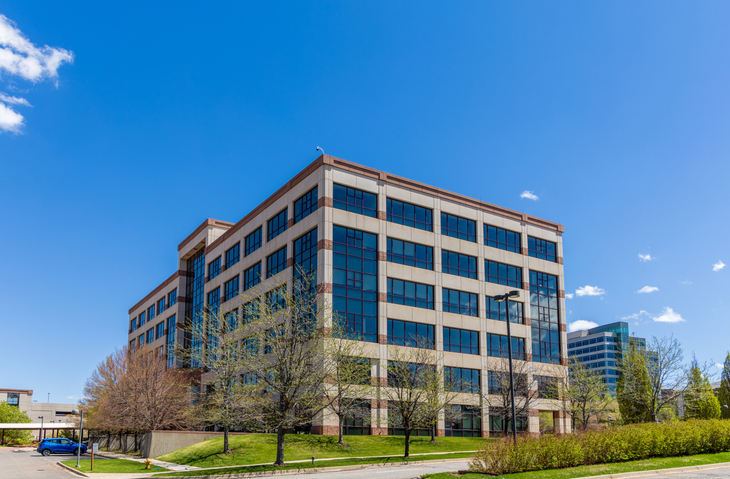
The future of office buildings is changing. Office space has shifted from a place for daily, individual work into a space for collaboration, connection, and culture. While remote and hybrid work have reshaped how often people come into the office, they have not eliminated the need for it.
Instead, expectations have changed.
For building owners, investors, and portfolio managers, this shift is not just about tenant preferences—it directly impacts leasing performance, asset value, and long-term strategy.
The Office Isn’t Going Away—But Its Purpose Has Changed
Office designs no longer support rows of employees working independently for eight hours a day. Today, companies are using office space to support:
- Collaboration and team interaction
- Innovation and idea-sharing
- Company culture and brand experience
- Mentorship and training
- Employee engagement and retention
At the same time, many organizations have reduced their physical footprint by using hybrid schedules to bring people in at different times.
There are fewer people in the office, but their presence is more intentional. For owners and investors, the question is no longer whether offices will return, but how to align spaces with actual use.
From Space Planning to Experience Design
Before the pandemic, office design often focused on maximizing density through open layouts. Now, the focus has shifted to how the space functions and supports its users, reflecting broader workplace trends identified in recent research on the future of the workplace.
Modern office environments now support:
- Support multiple types of work (collaborative and focused)
- Provide flexible layouts that can adapt over time
- Offer shared spaces for meetings, teamwork, and social interaction
- Create an environment employees actually want to return to
This has led to a move away from purely open office concepts toward a more balanced approach that includes:
- Breakout areas
- Private meeting rooms
- Quiet zones or focus spaces
- Multi-purpose work areas
Health and Building Performance Still Matter
While the urgency of COVID-19 has faded, many building improvements from that time are now standard
Owners and tenants are placing greater importance on building performance, including:
- Improved ventilation and increased outdoor airflow
- Enhanced air filtration systems
- More consistent HVAC operation
- Reduced high-touch surfaces where practical
- Materials that are easier to clean and maintain
Owners and tenants no longer view these features as temporary fixes—they are part of a broader expectation for high-quality, well-functioning buildings.
What the Future of Office Buildings Means for Owners, Investors, and Portfolio Managers
The shift in how office space is used is creating a clear divide in the market.
Buildings that align with today’s expectations are more competitive. Buildings that do not are becoming harder to lease—and harder to justify within a portfolio.
This is especially relevant for REITs and institutional owners managing multiple assets with varying performance levels.
Owners are now faced with key decisions:
- Should the building be upgraded or repositioned?
- Does the space meet current tenant expectations?
- Is the building competitive with newer inventory?
In many cases, improving building performance is not just about aesthetics—it’s about maintaining the asset’s long-term viability.
Upgrades Are an Opportunity to Address Structural Risk
When owners, investors, and property managers evaluate upgrades, renovations, or repositioning strategies, they also have an opportunity to address an often-overlooked issue: structural performance.
In many cases, major renovations or changes in occupancy can trigger life safety and structural requirements under current building codes. Teams often uncover these requirements during the planning process, significantly impacting scope, cost, and timeline if not accounted for early.
These are the types of considerations experienced retrofit contractors help identify before they become costly surprises during construction.
Many commercial buildings—especially older assets—may not meet current seismic standards or may have underlying structural vulnerabilities that impact long-term risk.
Coordinating structural improvements—such as seismic retrofits—with broader property improvements can:
- Reduce exposure to costly damage
- Support lender and insurance expectations
- Strengthen long-term asset value
- Improve confidence in acquisition or hold decisions
Rather than treating structural work as a separate project, it can be integrated into a broader strategy to improve building performance across a portfolio.
Looking Ahead
The future of office buildings is not disappearing—but it is evolving.
Buildings that support flexibility, performance, and tenant expectations will remain competitive. Those that do not may require significant updates or repositioning to keep pace.
For owners, the focus is no longer just on filling space—it’s on making sure the space still works.
Strengthen Your Building for What’s Next
As you evaluate upgrades or repositioning strategies, it’s worth considering how structural performance fits into your plans.
Saunders Seismic works with commercial building owners, investors, REITs, and property managers to assess risk and complete seismic retrofits and structural repairs that align with broader property improvements.
With decades of hands-on experience, we help you understand your options, prioritize what matters, and move forward with a clear, practical approach—whether you’re just starting out or already evaluating next steps.
Start the conversation with us today to gain practical insight into your building—and move forward with confidence.