












In many Western cities, historic buildings and earthquake risk go hand in hand—even if that risk isn’t obvious from the street.
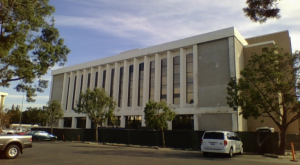
If you own or manage property in a historic downtown, early commercial corridor, or adaptive reuse district, there’s a good chance your building predates modern seismic design standards. While many older buildings have been renovated over the years, those projects often focused on new uses or aesthetics rather than seismic performance.
Understanding how these buildings were originally designed can help owners make better decisions long before a retrofit or major renovation becomes necessary.
Why Older Districts Carry Different Seismic Risk
Older building districts weren’t designed with today’s understanding of earthquake behavior in mind. In many cases, builders completed these structures when seismic codes either did not exist or were far less comprehensive than current standards.
At the time, codes often did not require:
- Wall anchorage or diaphragm continuity
- Reinforced masonry
- Ductile concrete detailing
As a result, if you own or manage a building in one of these districts, it may include:
- Unreinforced masonry (URM) construction
- Non-ductile concrete
- Early reinforced systems that do not perform well during earthquakes
Over time, ownership changes, renovations, and partial upgrades can further complicate how your building behaves in an earthquake—especially if previous improvements were incremental or lacked a coordinated structural strategy.
Common Historic Commercial Districts
Across the Western U.S., older building stock tends to cluster in predictable ways. You’re more likely to encounter higher concentrations of older construction in:
- Historic downtowns and “Old Town” districts
- Early industrial or warehouse zones later converted to office or retail use
- Main Street commercial corridors developed before World War II
To better illustrate these patterns, here are examples from the five states where Saunders Seismic operates.
California: Historic Downtowns and Early Commercial Cores
California’s older commercial districts often sit directly within active seismic zones. In many cities, historic downtowns developed early and densified quickly, resulting in tightly clustered buildings with shared walls, shallow setbacks, and limited redundancy between structures.
Because of this density, earthquake impacts in these areas can extend beyond individual buildings. Damage to one structure can affect neighboring properties, utilities, and access—making performance and disruption just as important as life safety.
Examples include:
- Old Towne Orange
- Downtown Pasadena
- Downtown Redlands
- Old Sacramento
- Downtown San Jose and Japantown
Oregon: Warehouse Districts and Early Civic Centers
 Many of Oregon’s older commercial districts grew around rivers, rail lines, and early industry. As a result, large masonry buildings and early civic structures often sit on softer soils that can amplify earthquake shaking.
In a major Cascadia Subduction Zone event, these districts may experience longer-duration shaking than many owners expect—placing additional stress on older structures and their connections.
Examples include:
- Pearl District and Old Town/Chinatown (Portland)
- Downtown Salem
- Downtown Eugene
Washington: Early Urban Centers Near Critical Infrastructure
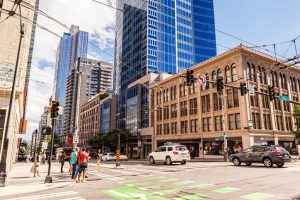 Washington’s historic commercial districts often developed near ports, rail corridors, and government centers. These locations make earthquake performance especially important—not just for individual buildings, but for broader continuity of operations.
In past earthquakes, damage to older buildings in these areas has led to prolonged closures, restricted access, and cascading impacts beyond the immediate property.
Examples include:
- Pioneer Square (Seattle)
- Downtown Tacoma
- Downtown Olympia
Nevada: Mining-Era and Early Commercial Districts
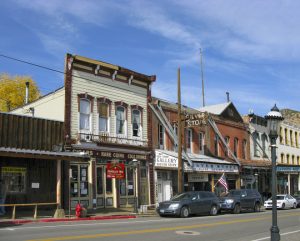 Nevada’s older commercial cores frequently trace back to mining and railroad development. Many historic buildings remain in active use despite having experienced limited seismic upgrading over time.
Surrounded by active faults, these districts face earthquake risk that is often underestimated due to the state’s lower public earthquake profile.
Examples include:
- Downtown and Riverwalk (Reno)
- Virginia City
Utah: Railroad and Early Civic Development
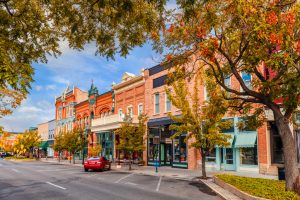
Along the Wasatch Front, older commercial districts sit close to one of the most active fault systems in the Intermountain West. Even moderate earthquakes have demonstrated how vulnerable older downtown buildings can be to shaking.
Because many of these districts serve as regional centers, damage can have outsized effects on access, occupancy, and recovery timelines.
Examples include:
- Downtown Salt Lake City
- Downtown Ogden
- Downtown Provo
Why URM Buildings Are Vulnerable
If you own or manage a building in one of these districts, it may fall into categories such as unreinforced masonry, non-ductile concrete, or early reinforced systems that don’t perform well during earthquake shaking.
URM buildings appear especially often in historic commercial cores. Builders designed them to carry gravity loads—not lateral movement—which makes them vulnerable to wall separation, out-of-plane failure, or collapse during seismic events.
Retrofitting Historic and Older Buildings: What You Should Know
Seismic retrofitting doesn’t automatically mean changing your building’s appearance or character.
Many seismic retrofits can be completed with minimal impact on a building’s historic appearance.
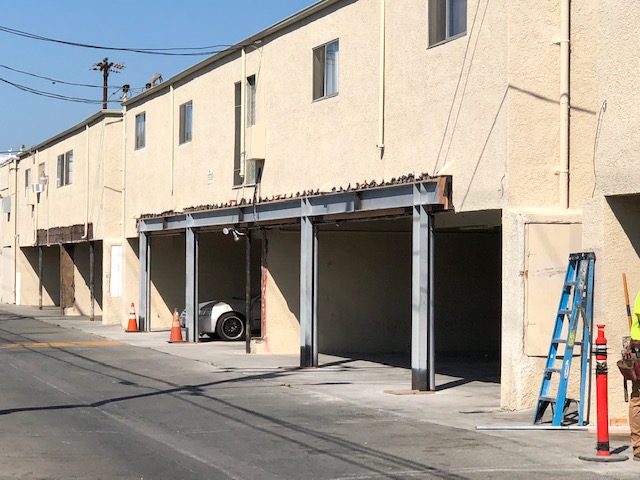
Structural improvements are often installed:
- Behind walls or above ceilings
- At roof or floor diaphragm levels
- Within existing structural bays
Successful retrofit projects help you balance life-safety performance, business continuity, and respect for existing architecture. Early planning becomes especially important if you need to coordinate with historic review boards, tenants, lenders, or insurers.
Start With an Evaluation
If you own—or are considering purchasing—a historic commercial building, resist the urge to jump directly into retrofit solutions.
Instead, begin by understanding:
- How the building is likely to perform during an earthquake
- Where structural vulnerabilities exist
- How downtime could affect your operations
- What improvements may be needed over time
Only after that should you begin planning retrofit options.
Ready to Understand Your Building’s Seismic Risk?
You don’t have to guess about earthquake risk—or commit to construction—to get clarity.
A free discovery call with Saunders Seismic gives you the opportunity to talk through your building’s age, type, and location. You’ll gain a clearer understanding of how it’s likely to perform during earthquake shaking and whether a retrofit may be needed.
There’s no pressure and no obligation—just an informed conversation grounded in decades of seismic retrofit experience across the western U.S.
Contact Saunders Seismic today and take the first step toward confident, well-informed decision-making.